Mariam Vahradyan writes for Psyche:
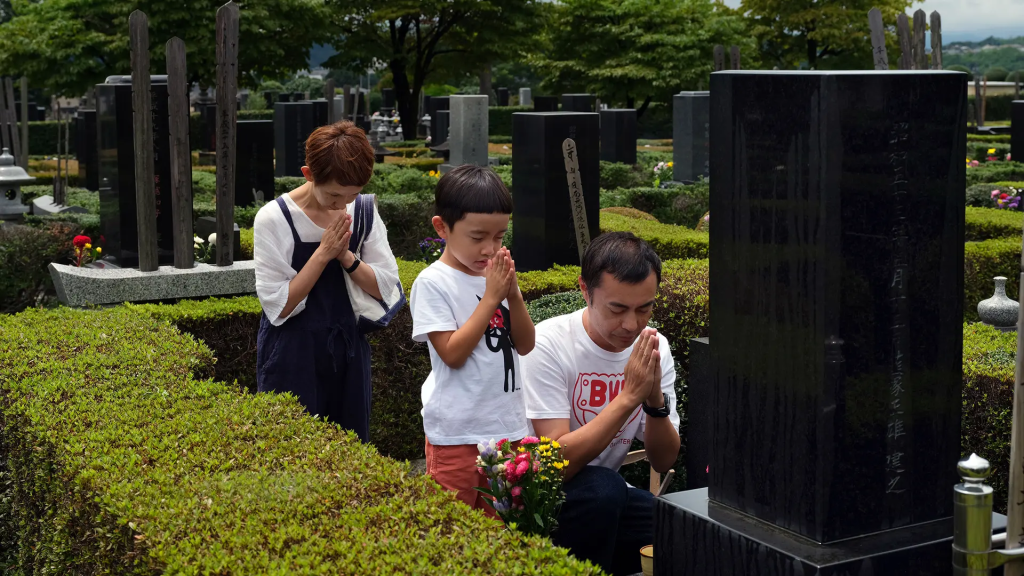
Many cultures around the world actively maintain relationships with the dead through storytelling, prayer and ritual. In Japan, for example, the spirits of the dead are welcomed during the Obon festival. For four days each year, families remember their ancestors by tending to graves, lighting small fires, and making offerings. Similar practices take place during the Mexican Day of the Dead, the Korean Chuseok harvest festival, and the Hindu Pitru Paksha remembrance period.
There are also less formal ways of reaching out. From Chinese Taoist oracles working during the Hungry Ghost festival to espiritismo practitioners leading séances in Latin America, intermediaries between the living and the dead operate wherever there is a need for guidance or closure.
These practices, however, often assume a spiritual dimension that interacts with the living. But talking to ancestors, as I see it, doesn’t require access to an unobservable realm or a visit from those who have ‘passed over’. Instead, communicating with the dead can be an imaginative practice that helps create an overlap between past and present, placing us on a larger human continuum. The effects can be transformative.